Are all electric car chargers the same? It's a common question for new EV owners. The short answer is no — chargers vary significantly in speed, connector type, and installation requirements. Understanding these differences is key to choosing the right setup for your home and navigating public charging networks. If you're shopping for an electric vehicle, you've probably seen references to Level 1, Level 2, and DC fast charging, along with terms like J1772, CCS, and CHAdeMO. It can feel overwhelming at first, but once you understand the basics, you'll be able to confidently charge your car anywhere.
The Three Main Types of EV Charging
Level 1: The Slow and Steady Option
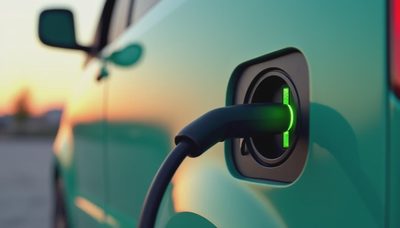
Level 1 charging uses a standard 120-volt outlet, which every EV owner can access. Every EV comes with a Level 1 cord. It adds about 2-5 miles of range per hour. This is fine for plug-in hybrids or short commutes under 30 miles daily. Many new owners start with Level 1 and later upgrade to Level 2 for faster replenishment.
Level 2: The Home and Workplace Standard
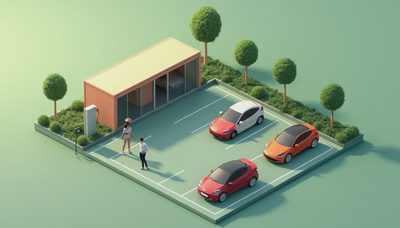
Level 2 charging uses a 240-volt outlet or a hardwired station. It delivers 10-60 miles of range per hour, depending on the car's onboard charger and the station's amperage. Most home installations use a 32-amp or 40-amp unit, providing about 25-30 miles per hour. This covers overnight charging for most batteries. Public Level 2 chargers are common in parking lots, hotels, and shopping centers.
DC Fast Charging: The Road Trip Hero
DC fast chargers skip the car's onboard charger and pump high-voltage DC power directly into the battery. They can add 100-200 miles in 20-40 minutes, depending on the car and station power (50 kW to 350 kW). Brands like Electrify America, EVgo, and Tesla Superchargers dominate this space. Not all EVs can take full advantage of 350 kW stations — some cap at 150 kW or 200 kW.
Connector Types: Not All Plugs Are Universal
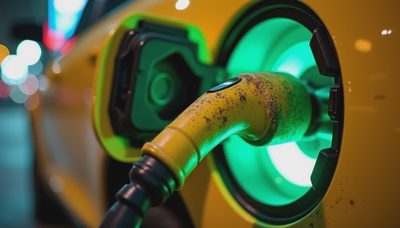
To answer the question "are all electric car chargers the same?" you also need to look at the plugs. Even if two chargers are both Level 2, they might use different connectors. In the US, the standard for Level 2 is the J1772 plug. Tesla uses its own proprietary plug (now called NACS, but adapters are available). For DC fast charging, the two main standards are CCS (Combined Charging System) and CHAdeMO (used by Nissan Leaf and some older EVs). Most new non-Tesla EVs in the US use CCS. However, Tesla's Supercharger network is opening to CCS cars with adapters. The industry is gradually moving toward a unified standard — NACS — but we're in a transition period.
Why This Matters for Your Purchase
When buying an EV, check which connector type it uses. If you plan to use Tesla Superchargers, ensure your car has access (either natively or via an approved adapter). If you rely on public CCS chargers, make sure your car's charge port is compatible. The good news: most major charging networks support both CCS and CHAdeMO, but CCS is becoming dominant.
Charging Speed: It's Not Just the Station — Your Car Matters
Even if you plug into a 350 kW DC fast charger, your car might only accept 150 kW. Onboard components like the battery pack voltage (400V vs 800V) and the battery management system limit the charging rate. For example, a Hyundai Ioniq 5 with its 800V architecture can charge from 10-80% in about 18 minutes on a 350 kW charger. A Nissan Leaf with CHAdeMO tops out at around 50 kW. Similarly, home charging speed depends on your car's onboard charger — some cars have a 6.6 kW unit, others have 11 kW or 19 kW. To get the fastest home charging, you need a 48-amp Level 2 charger and a car that can accept that power.
When you ask "are all electric car chargers the same?", the answer is clearly no — and that's because your car's capabilities play a huge role in how fast you can charge.

Cost and Installation: What to Expect
Home charging installation costs vary. A basic Level 2 charger like a ChargePoint Home Flex or Grizzl-E ranges from $400 to $700. Installation by a licensed electrician can add from $200 to $1,000 depending on your panel capacity and wiring distance. Federal and state incentives may offset some of the cost. Public charging rates differ by network. DC fast charging typically costs between $0.25 and $0.50 per kWh, which translates to about $7 to $15 for a full charge in a typical EV. Level 2 public chargers are often free or have a flat hourly rate.
So, Are All Electric Car Chargers the Same?
No, and that's actually a good thing. The variety of chargers lets you choose what fits your lifestyle: slow Level 1 for occasional use, fast Level 2 for daily home charging, and rapid DC chargers for road trips. Connector standards are evolving, but adapters make most combinations workable. The key is understanding your car's capabilities and your typical driving patterns. Once you know the differences, charging becomes second nature. So next time someone asks "are all electric car chargers the same?" — you'll have the answer ready.