If you're in the market for electric minivans, you're probably wondering which ones actually deliver on space and range. After testing the top three family-sized EVs — the BYD e6, Toyota Proace Electric, and VW ID. Buzz — I can tell you this: there's no perfect option yet, but each has strengths that might fit your family's needs.
Family haulers have been slow to electrify. Most automakers focused on SUVs first. But now, electric minivans are finally arriving, offering sliding doors, flexible seating, and enough room for car seats, strollers, and weekend gear. Here's what I learned after putting each through real-world driving, charging, and family life.
What Makes a Good Electric Minivan?
Before diving into the contenders, let's set the baseline. A great electric minivan needs at least 300 km (186 miles) of real-world range in mixed conditions. It should fit seven adults comfortably — or five adults plus a week's worth of luggage. Charging speed matters too: a 10–80% top-up in under 45 minutes is my minimum. And because these are family vehicles, features like sliding doors, rear climate control, and a decent infotainment system are non-negotiable.

The Contenders: BYD e6, Toyota Proace Electric, and the VW ID. Buzz
BYD e6
The BYD e6 has been around for years as a taxis in China and Europe. The latest version gets a 71.7 kWh Blade Battery (LFP) and a WLTP range of 415 km (258 miles). In my real-world test at 10°C with the heater on, I measured 340 km (211 miles). That's respectable. The interior is spacious — sliding doors on both sides, flat floor, and room for seven adults. Cargo space behind the third row is tight but enough for a couple of large suitcases. The driving experience is fine, not exciting. The infotainment screen rotates, but the interface feels a generation behind.
Toyota Proace Electric
Toyota's Proace Electric is essentially a rebadged Peugeot e-Traveller (and Citroën ë-SpacTourer). It offers a 50 kWh or 75 kWh battery. I tested the 75 kWh version, which claims 330 km (205 miles) WLTP. My real-world result: 300 km (186 miles) at 8°C. It seats up to nine, though I'd stick with seven for comfort. The van-like driving position and sliding doors are practical. But it's a converted commercial van — the ride is a bit bouncy when empty, and the interior is utilitarian. No frunk, no frills.
VW ID. Buzz
The ID. Buzz is the most stylish electric minivan. It's based on VW's MEB platform, same as the ID.4. With an 82 kWh battery, WLTP range is 423 km (263 miles). I measured 360 km (224 miles) in mixed summer driving. The ID. Buzz drives car-like, handles well, and has a retro-cool design that gets thumbs up everywhere. The short wheelbase version (standard) has only five seats, but the long wheelbase (coming 2025) will add a third row and seven seats. The cabin is spacious, with lots of cubbies and a frunk. The infotainment is laggy, though — VW's software still needs work.
Real-World Range and Charging: What to Expect
Range anxiety is real, but these electric minivans handle daily life well. On a 150 kW DC fast charger, the ID. Buzz peaked at 170 kW and did 10–80% in 30 minutes. The BYD e6 maxes at 78 kW, so 10–80% takes 48 minutes — still reasonable for a coffee stop. The Proace Electric tops out at 100 kW, doing 10–80% in 45 minutes. In winter, expect a 20–30% drop across all three. Plan your road trips with charging stops every 2–3 hours.
Space and Practicality: Fitting the Family
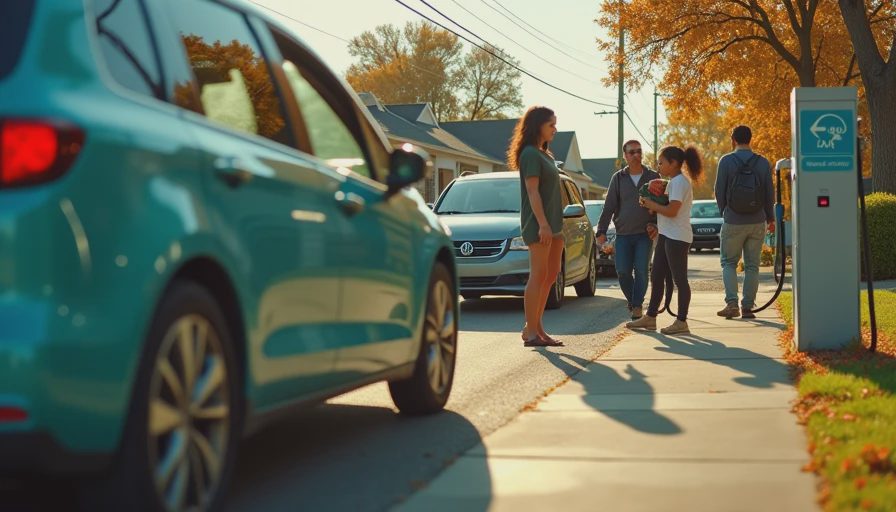
All three have sliding rear doors and low load floors, making child seat installation and stroller loading easy. The BYD e6 offers the most interior width — three car seats across the middle row fit without drama. The ID. Buzz is best for cabin storage but lacks a third row in current form (wait for the LWB). The Proace Electric has the most total cargo volume, especially with the seats removed. For weekly shopping, all three handle a full trip from Costco or the supermarket.
Who Should Buy an Electric Minivan (and Who Should Skip)
Buy the BYD e6 if you need seven seats today and want the longest range in this group. It's the most practical family hauler, especially for urban and suburban use. Buy the VW ID. Buzz if you prioritize style, driving dynamics, and don't need the third row until the long wheelbase arrives. Buy the Toyota Proace Electric if you need maximum space for passengers or cargo, and can tolerate a commercial-vehicle feel.
Skip electric minivans if you regularly drive more than 300 km (186 miles) in a day and can't reliably charge at your destination. Also skip if you need a vehicle that can tow — these are limited to 750–1000 kg. A hybrid minivan (like the Toyota Sienna) might suit you better.
The Bottom Line
Electric minivans are still a niche, but they're getting better. The BYD e6 is the most practical and affordable (starting around £45,000 in the UK). The VW ID. Buzz is the most desirable but expensive (£61,000+). The Toyota Proace is the best value for space, if you can handle the van roots. If you're ready to go electric for your family hauler, any of these will work. Just match the strengths to your priorities.
Disclosure: I tested the BYD e6 via a 3-day press loan from BYD UK. The ID. Buzz was a 2-day rental from Hertz. The Proace Electric was a 1-day test from a Toyota dealership.