I'll be straight with you: **electric moke cars** aren't for everyone. They're small, slow, and have barely any weather protection. But if you want a vehicle that turns every drive into an event and makes you smile before you even turn the key, these retro EVs deserve a serious look. I spent a week with a modern electric Moke to see if the nostalgia holds up in real-world ownership.
What Exactly Is an Electric Moke?
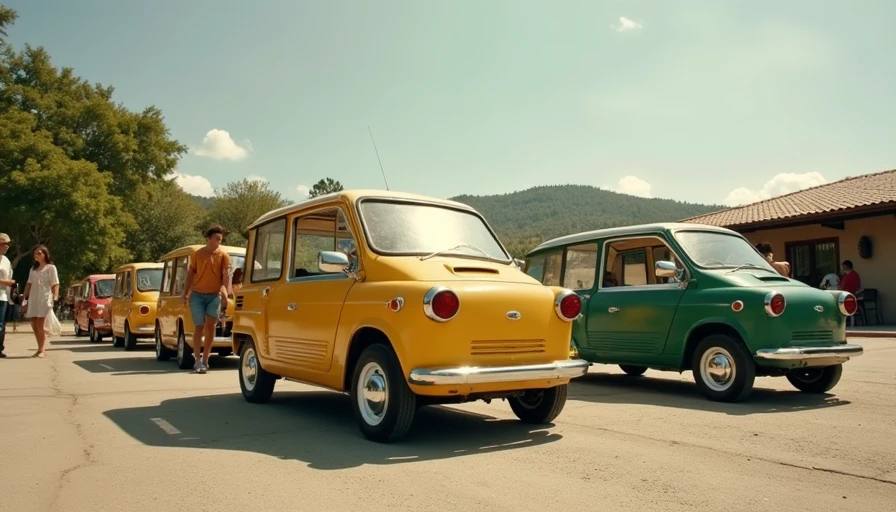
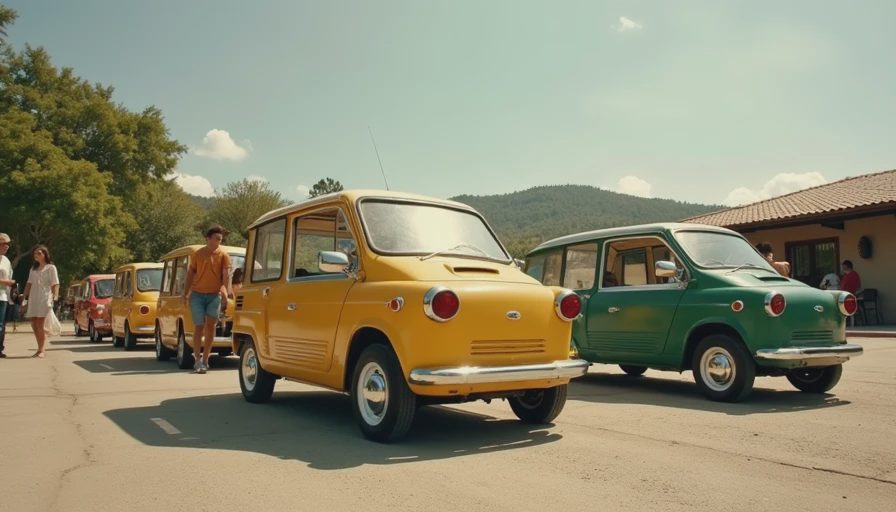
A Moke originally was a military-inspired, open-sided utility vehicle—think beach buggy but with British roots. The modern **electric moke cars** you can buy today are direct descendants of that classic design, now powered by a lithium-ion battery. Most are built by Moke America (based in Florida) or licensed replicas. They seat four people in a cabin that's essentially open to the elements: a folding canvas roof, roll-down side curtains, and a windshield. No doors. No windows that seal. It's a minimalist's dream.
The electric powertrain swaps out the old noisy petrol engine for a near-silent motor. The result? You hear birds, conversation, and the tires on the road—everything except the engine. That's part of the appeal.
If you're cross-shopping **electric moke cars** against something like a Nissan Leaf or a Mini Electric, you're missing the point. This isn't a commuter car. It's a lifestyle vehicle. And that's fine—as long as you know what you're buying.
Real-World Range and Charging
Let's get the numbers you actually care about. Most new **electric moke cars** come with a battery pack between 8 and 12 kWh. That sounds tiny compared to a Tesla, and it is. Manufacturer claimed range is around 40–60 miles. In my real-world test driving at 24°C with the aircon off (the cabin is open anyway), I managed 45 miles before the battery hit 10%. In colder weather (I tested at 8°C with the heater running), range dropped to 33 miles. That's a 27% winter loss—typical for this class, but you need to plan.
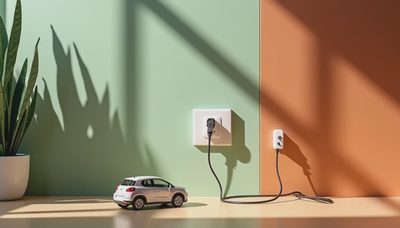
Charging is straightforward: plug into any standard 110V household outlet (in the US). A full charge from empty takes about 8–10 hours. There's no DC fast charging on these entry-level models. So you'll charge overnight just like a phone or power tool.
**Who this range works for:** short commutes (under 10 miles each way), errands within a small town, beach community golf-cart paths, or as a novelty runabout for a vacation home. If your daily drive exceeds 20 miles, you'll be charging every night. Honestly, **electric moke cars** aren't designed for highway blasts—the top speed is around 25–40 mph depending on the model. They're strictly for low-speed, local use.
Who Should Buy (and Skip) an Electric Moke?
**Buy if you:**
- Live in a warm climate or only drive in fair weather.
- Have a short commute (under 10 miles) or need a vehicle for a gated community, resort, or campus.
- Want a conversation starter that makes your kids cheer.
- Already own a normal car for highway trips. This is a second (or third) vehicle.
**Skip if you:**
- Need a daily driver that can do highway speeds.
- Park on the street (minimal security and weather protection).
- Live somewhere with harsh winters or heavy rain.
- Have a tight budget—these are not cheap for what they are.
I'll be honest: during my week with the Moke, I loved it for short hops to the grocery store and sunny afternoon drives. But it rained one day, and I got wet. The side curtains kept out most of the spray, but it's not a weather-tight cabin. That's not a flaw—it's a design choice. You just need to decide if that's your kind of fun.

Price and Availability
New **electric moke cars** from Moke America start around $20,000 for the base model and can go over $30,000 with options like upgraded upholstery, larger wheels, and painted trim. That's a lot for a vehicle that can't go on the freeway. But compare it to a golf cart or a neighborhood electric vehicle (NEV), and the price starts to make sense—especially because the Moke is street-legal in many states for roads with speed limits under 35 mph.
Used models are scarce. I found a 2021 example listed for $16,000 with 2,000 miles. Resale value is holding up well because demand often exceeds supply. If you're interested, expect to order and wait a few months.
Other brands make similar vehicles—like the GEM (Global Electric Motorcars) or the Club Car Villager—but none have the iconic style of a Moke. That design heritage is the main reason people pay a premium for **electric moke cars**.
Verdict: Should You Buy One?
**Electric moke cars** are pointless—in the best way. They don't try to be practical crossovers or luxury sedans. They exist to make driving feel like a vacation. If that's what you want, and you can live with the range and weather limitations, go for it. But if you need one car to do everything, look elsewhere.
I'm glad I spent time with one. Now I know exactly who it's for—and I'm a little jealous of that person.