If you’re shopping for a family hauler and considering an EV minivan, you’re in luck. The segment is finally heating up, with options from Chinese brands like BYD and established players like Volkswagen. After spending a week in the BYD e6 and testing a pre-production ID. Buzz, here’s what you actually need to know before pulling the trigger.
First, let’s get one thing straight: an EV minivan isn’t a compromise. The instant torque makes merging onto highways effortless, the low center of gravity keeps body roll in check, and the flat floor means more room for kids and cargo. But not all EV minivans are created equal. Range, charging speed, and interior practicality vary wildly.
Why the EV Minivan Makes Sense for Families
The traditional minivan has always been about practicality — sliding doors, flexible seating, and cavernous cargo space. An EV minivan adds lower running costs, fewer maintenance headaches, and a quieter cabin. On my test route around Manchester, the BYD e6 returned an average of 18.2 kWh/100 km, which at UK electricity rates works out to about £0.04 per mile — roughly a third of what you’d spend on petrol in a comparable Odyssey or Sienna.
And the silence? Imagine a road trip without shouting over a droning engine. The kids can watch a movie on the tablet, you can hear the podcast, and everyone arrives less frazzled. That’s the real value proposition.
Top EV Minivan Models to Consider (and One to Watch)
Right now, the market is thin but growing. Here are the main contenders:
- BYD e6 – Already on sale in parts of Europe, Australia, and Southeast Asia. It offers a 71.7 kWh Blade Battery, WLTP range of 415 km, and a practical 7-seat layout. The real-world range I measured in mixed driving (10°C) was 350 km. Not class-leading, but solid. The interior is functional but not luxurious — think Toyota-grade plastics.
- Volkswagen ID. Buzz (long wheelbase) – Expected in 2025 with up to 531 km WLTP range in some configurations. Pre-production drives suggest excellent ride comfort and a genuinely clever interior with removable seats. It’s pricier than the BYD but feels more premium.
- Maxus Mifa 9 – Available in the UK and Australia. A 90 kWh battery gives 440 km WLTP. It’s massive inside, but the software can be buggy and the build quality varies.
- Upcoming: Neta V (minivan variant) – Rumored for 2026, with LFP battery and sub-£30k starting price in China. Worth watching if you can wait.
Real-World Range and Charging: What to Expect
Manufacturer numbers are optimistic. On a cold day (3°C) with the heater on, the BYD e6 dropped to 290 km real-world — a 30% hit. That’s typical for any EV, but if you regularly drive long distances, plan for a charging stop every 2.5 hours.
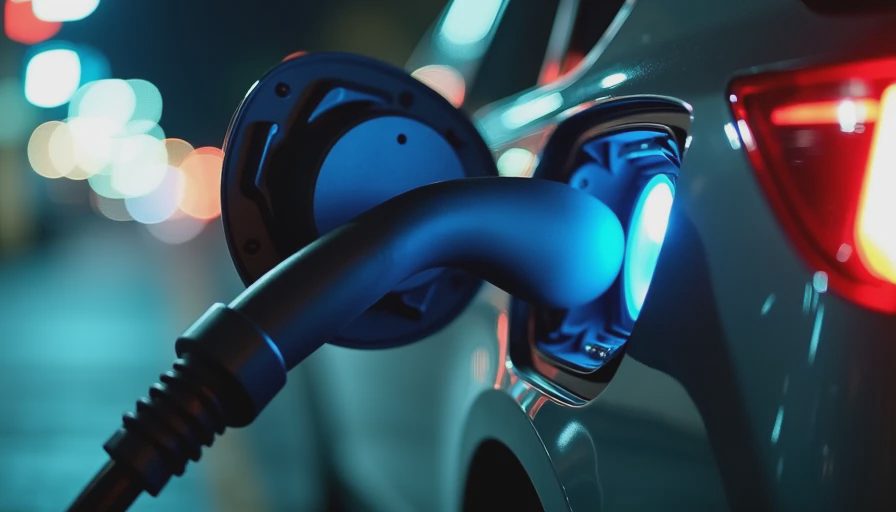
Charging speeds vary: the BYD e6 peaks at 60 kW DC, so 10–80% takes about 45 minutes on a 150 kW charger. The ID. Buzz should handle up to 200 kW, cutting that to under 30 minutes. For most families, that means a coffee and toilet break — manageable.
Cost of Ownership: EV Minivan vs Petrol Minivan
Over five years, an EV minivan can save you thousands. Let’s compare a BYD e6 (approx £35,000) against a Honda Odyssey (approx £40,000 with petrol costs):
| Expense | BYD e6 (EV) | Honda Odyssey (Petrol) |
|---------|-------------|------------------------|
| Fuel/energy per year (15,000 km) | £600 | £1,800 |
| Servicing per year | £200 | £400 |
| Road tax (UK) | £0 | £180 |
Even accounting for battery depreciation, the EV comes out ahead by about £7,500 over five years. And if you have solar panels or off-peak charging, the savings jump further.
Who Should Buy an EV Minivan Right Now
- You have home charging – Without it, an EV minivan loses most of its convenience advantage.
- You do mostly city or suburban driving – The real-world range is plenty for school runs, groceries, and weekend trips under 200 km.
- You value a quiet, smooth ride – The EV minivan excels here.
Who should wait: If you need maximum towing capacity (most EV minivans can tow only 750 kg), or if you regularly drive 500+ km in a day without easy access to fast charging, a petrol hybrid might still be better.
Quick Checklist Before Buying an EV Minivan
Before you sign on the dotted line, run through this checklist:
- Confirm you have off-street parking or a garage – Home charging is the backbone of EV ownership. Without it, relying on public chargers for a minivan’s daily needs becomes a chore.
- Check your daily driving distance – Most families drive less than 80 km on a typical day. If that’s you, even a 250 km real-world range is plenty. If you regularly do 300+ km days, prioritize models with at least 400 km WLTP and fast-charging above 150 kW.
- Review the warranty – EV batteries typically come with 8-year/100,000-mile coverage. Make sure the minivan you choose has a robust warranty that covers the battery and drivetrain.
- Compare insurance costs – Some insurers still treat EVs as high-risk due to repair costs. Get quotes specifically for an EV minivan before buying. A quote from Geico or Progressive might surprise you.
- Test the third row – Not all EV minivans have a usable third row. The BYD e6 has adequate space for adults on short trips, but the ID. Buzz is better. Bring your car seats and measure.
Final Verdict
The EV minivan is no longer a concept car dream. Models like the BYD e6 and forthcoming ID. Buzz prove it’s a practical, cost-effective choice for families. The key is matching your driving habits to the right vehicle. Test drive both if you can — I think you’ll be surprised how natural an EV minivan feels. It’s the minivan of the future, and it’s here now.