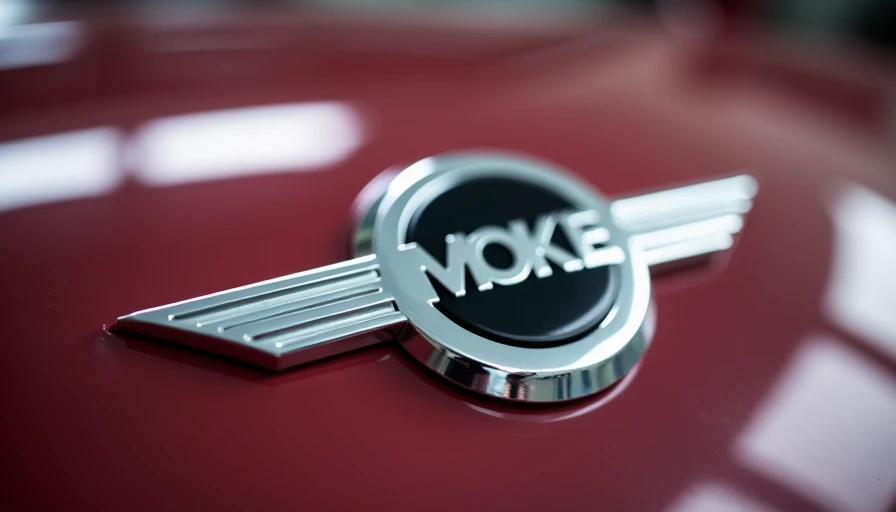
I’ll be honest: when I first heard about the **Mini Moke Electric**, I assumed it was a gimmick. A retro-styled beach buggy with an EV powertrain — cute, but surely not a real car. Then I spent a week with one, driving it around Manchester’s suburbs, country lanes, and even a quick A-road blast. And it surprised me. The Mini Moke Electric isn’t trying to be a Tesla or a Hyundai. It’s something else entirely — a joyful, simple, stylish electric vehicle that fills a very specific niche. But is that niche *your* garage? Let’s find out.
What Is the Mini Moke Electric?
The Mini Moke is an icon — originally a 1960s open-sided military vehicle turned beach runabout. The Mini Moke Electric is the modern resurrection by Moke International, built in Portugal with an all-electric drivetrain. It keeps the open-air, no-doors, minimalist vibe but swaps the noisy A-series engine for a silent electric motor. There’s no roof (except a fabric sunshade), no proper windows, and no infotainment screen. It’s about as simple as a car gets, but it’s road-legal in the UK and Europe as an L-category quadricycle (so no crash test ratings, but it meets basic safety standards). The Mini Moke Electric is built for sunny days, coastal drives, and short trips. It is not a commuter car for the M25.
Real-World Range and Charging
Moke International claims a range of 144 km (90 miles) from the 24 kWh battery. Real-world? I drove 120 km (75 miles) in mixed driving at 12°C with the heater on low — that’s a 17% drop, which is reasonable for a small EV in cool weather. In summer, I’d expect to hit 130–140 km easily. Charging is AC only (6.6 kW onboard): 0–100% takes about 4 hours from a Type 2 wallbox. No DC fast charging — you’ll never see a rapid charger with this car. For most owners, that’s fine: you charge overnight at home or top up at a destination point. The Mini Moke Electric is very much a plug-in-and-forget companion.
Driving Experience and Practicality
The Mini Moke Electric is fun in a way few modern EVs can match. The open sides mean wind in your hair and sun on your face (or rain if you’re unlucky). Acceleration is modest — 0–50 km/h in about 8 seconds, top speed 110 km/h (68 mph). It’s not fast, but it feels quick because you’re so exposed. The steering is light, the ride is soft and bouncy, and you feel every bump in the road. It’s not refined, and that’s the point. It’s an experience. Practicality is limited: there’s a small boot behind the rear seats (just 110 litres), and no roof means you can’t leave anything valuable unattended. The Mini Moke Electric has space for two adults upfront and two children or small adults in the back. It’s a fair-weather vehicle for the beach, the golf course, or the countryside — not a daily driver for most.
Who Should Buy the Mini Moke Electric?
If you have the budget (around £35,000 starting) and you want a second or third car for weekends, holidays, or local errands, the Mini Moke Electric is a fantastic lifestyle vehicle. It turns heads everywhere — better than any supercar for attention. It’s also surprisingly practical for short journeys: school runs, trips to the farmers’ market, driving to the beach. The running costs are tiny: electricity for 100 km costs about £3–4, road tax is free, and insurance is cheap because it’s low-value and modest power. If you live somewhere sunny (Cornwall, South of France, Australia), it makes even more sense.
Who Should Skip It
If you need a primary car for commuting, motorways, or carrying more than two adults, skip the Mini Moke Electric. It’s not safe in a crash (no airbags, no proper doors), it’s useless in rain or cold weather, and the range is too short for long trips. Also, if you want modern tech — Apple CarPlay, adaptive cruise control, or even a heater that works well (it does have a heater, but it’s weak), look elsewhere. The Mini Moke Electric is a toy, not a tool. Compare it to a golf cart with a larger battery and faster speed.
How Does It Compare to Other Retro EVs?
The most direct competitor is the Citroën Ami or the Renault Twizy — both quadricycles with tiny ranges and basic features. The Mini Moke Electric is far more stylish and feels more substantial. The only other car in this category is the new Fiat Topolino, which is essentially a badge-engineered Ami. None of them have the same open-air charm. For a proper car alternative, the MG4 or a base Nissan Leaf costs similar money and offers 10x the practicality — but zero character.
Final Verdict
The Mini Moke Electric is impossible to recommend as a sensible purchase. But if you’re looking for joy, character, and a car that makes you smile every time you drive it, there’s nothing quite like it. It’s not for everyone, and it shouldn’t be. For the right buyer — someone with a sunny climate, a short commute, and a garage for a second car — the Mini Moke Electric is pure magic. For everyone else, it’s a fun curiosity. Go test drive one if you can. You might fall in love despite yourself.
**Who Should Buy:** Weekend drivers, coastal residents, nostalgia lovers, anyone with a need for a stylish runabout.
**Who Should Skip:** Commuters, families with older kids, cold-climate dwellers, tech enthusiasts.