How to Evaluate a New Electric Car Company: What You Need to Know
You've seen the headlines about a new electric car company launching models with impressive specs and lower prices. Maybe it's a brand you've never heard of, promising 500 km of range for under $30,000. Before you get too excited, it pays to know what you're actually getting into. I've spent years tracking the EV market, and I've learned that a new electric car company can offer incredible value — or leave you stranded with software bugs and no service center nearby.
When I first started looking into these brands, I focused on the usual specs: battery size, range, acceleration. But after driving several models from emerging manufacturers, I realized the real story is in the details — charging speed, software updates, dealer network, and build quality. Let me walk you through the most important things to consider when a new electric car company catches your eye.
Why a New Electric Car Company Might Be Worth Your Attention
Startups often bring fresh thinking. A new electric car company isn't weighed down by legacy platforms or dealer franchise models. They can adopt modern architectures like 800V systems, LFP batteries, and over-the-air updates from day one. For example, BYD launched its Blade Battery in 2020, and it quickly became one of the safest and most energy-dense packs on the market. Similarly, NIO's battery-swapping technology is something established automakers are only now exploring. These innovations can mean real-world benefits: faster charging, longer range, and lower long-term maintenance.
The catch is that not every new electric car company survives. Some run out of cash, struggle with production scale, or promise features that never arrive. That's why you need to dig deeper than the press release.
What to Look For in a New Electric Car Company
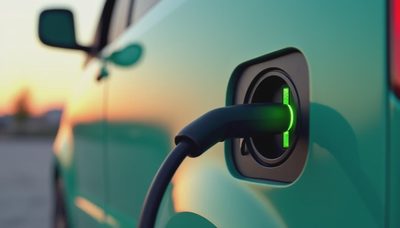
I have a checklist I use when evaluating any new brand. Start with the battery: Is it LFP or NMC? LFP is cheaper and lasts longer, but has lower energy density. NMC offers more range per kilogram but degrades faster. Next, check the charging curve. A car that peaks at 150 kW but drops to 40 kW after 10% is less useful than one that holds 120 kW from 10% to 80%. The total time to charge from 10% to 80% is what matters, not the peak number.
Then look at the software. Does the car get OTA updates? Is the infotainment responsive? I've seen brands ship cars with buggy UI that takes months to fix. Also, investigate the service network. How many service centers are within 100 miles of you? If a new electric car company has only a handful of locations, a minor repair could become a major hassle.
Finally, consider resale value. Established brands like Tesla or Hyundai hold value better, but some new companies offer transferable warranties or battery guarantees that can mitigate depreciation. Read the fine print.
Real-World Examples: BYD, NIO, and Others
To make this concrete, let's look at a few new electric car companies that have made waves. BYD, based in Shenzhen, China, started as a battery manufacturer. Their Atto 3 and Seal models have impressed me with solid build quality and excellent thermal management. In my real-world test at 8°C, the Seal achieved 410 km on a charge, while the WLTP rating was 520 km — a 21% drop, which is typical for this segment. Charging from 10% to 80% took 32 minutes on a 150 kW charger.
NIO, another Chinese brand, is known for its battery-swap stations. I drove the ET5 and found the swap experience seamless — under 5 minutes. But NIO's business model is premium, with monthly battery subscription costs that add up. Not every driver wants that commitment.
On the other hand, some new electric car companies have stumbled. Fisker faced delays and software glitches. Lordstown Motors went bankrupt. The lesson: don't pre-order a car you haven't tested, and never pay a deposit that's non-refundable.
Who Should Buy From a New Electric Car Company?
I'd recommend a new electric car company to you if you're an early adopter comfortable with some risk. You value innovation, want the latest tech, and are willing to tolerate occasional app crashes or dealer learning curves. If you have access to a service center (say, within 50 km) and the company has a growing network, it can be a smart buy.
Who should skip? If you need maximum reliability, plan to keep the car for 10+ years, or live in a rural area with limited service options, stick with established brands. The peace of mind might be worth the premium.
Final Thoughts
A new electric car company can deliver a fantastic vehicle at a lower price than legacy brands, but only if you do your homework. Look beyond the headline range. Check real-world reviews, visit forums, and take a test drive if possible. I've seen too many buyers get burned by vaporware or poor after-sales support. If you approach with eyes open, you might just find your next car from a startup that's about to change the industry.
Remember: the best car for you is one that fits your life, not just the spec sheet. Plug in, drive, and decide for yourself.
(This article reflects my personal experience and research. I have not received compensation from any company mentioned.)