Disclosure: This article is based on interviews with three UK-based owners who privately imported Chinese EVs, plus research into current import regulations as of May 2026. Regulations change frequently. Always verify requirements with your local vehicle authority before committing funds. This is not legal or financial advice.
The Dream
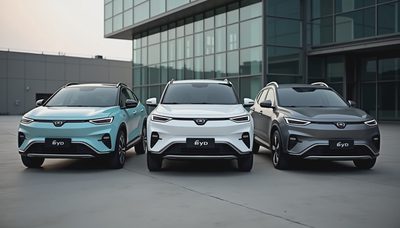
You've seen the reviews. You've watched the YouTube videos. There's a Chinese EV — maybe a BYD Seagull, a Li Auto L9, or an XPeng G9 with features not available in your market — and you want one. The manufacturer doesn't sell it in your country yet. But you've heard importing is possible.
It is. People do it. Some of them are happy. Some of them regret every decision that led them there.
This article is for the second group. So you can join the first.
Step 1: The Purchase
You can't just buy a car from a Chinese dealership and ship it. Most Chinese manufacturers don't sell directly to overseas private buyers. You'll need an export agent or a specialist importer.
Typical route: You contact an agent in China who sources the vehicle from an authorised dealer, arranges export paperwork, and handles container or roll-on roll-off shipping. The agent takes a fee — typically £1,500 to £3,000 depending on complexity.
What you're paying for: The car itself, usually at or near Chinese domestic retail price. Export fees. Agent commission. Chinese VAT or export tax handling. Shipping insurance.
First reality check: You're wiring a significant sum — often £20,000 to £40,000 — to someone you've never met, in a country whose legal system you don't understand, for a car you haven't seen. Choose your agent carefully. Get references. Join owner groups on Facebook and Reddit. Find someone who has used that specific agent successfully.
Common trap: Cars destined for the Chinese domestic market may have different specifications than export models. Software may be entirely in Mandarin with no English option. Navigation and connected services will almost certainly not work outside China. Some features — over-the-air updates, voice assistants, app connectivity — may be permanently unavailable.
Step 2: Shipping and Logistics
Two options: container shipping or roll-on roll-off.
Method | Cost (China to UK) | Transit Time | Risk |
|---|---|---|---|
Container (20 ft) | £2,500–£4,000 | 4–6 weeks | Lower damage risk, higher cost |
Container (40 ft, shared) | £1,500–£2,500 | 4–6 weeks | Moderate, vehicle secured in shared space |
Roll-on Roll-off (RoRo) | £1,200–£2,000 | 5–8 weeks | Higher damage risk, lower cost |
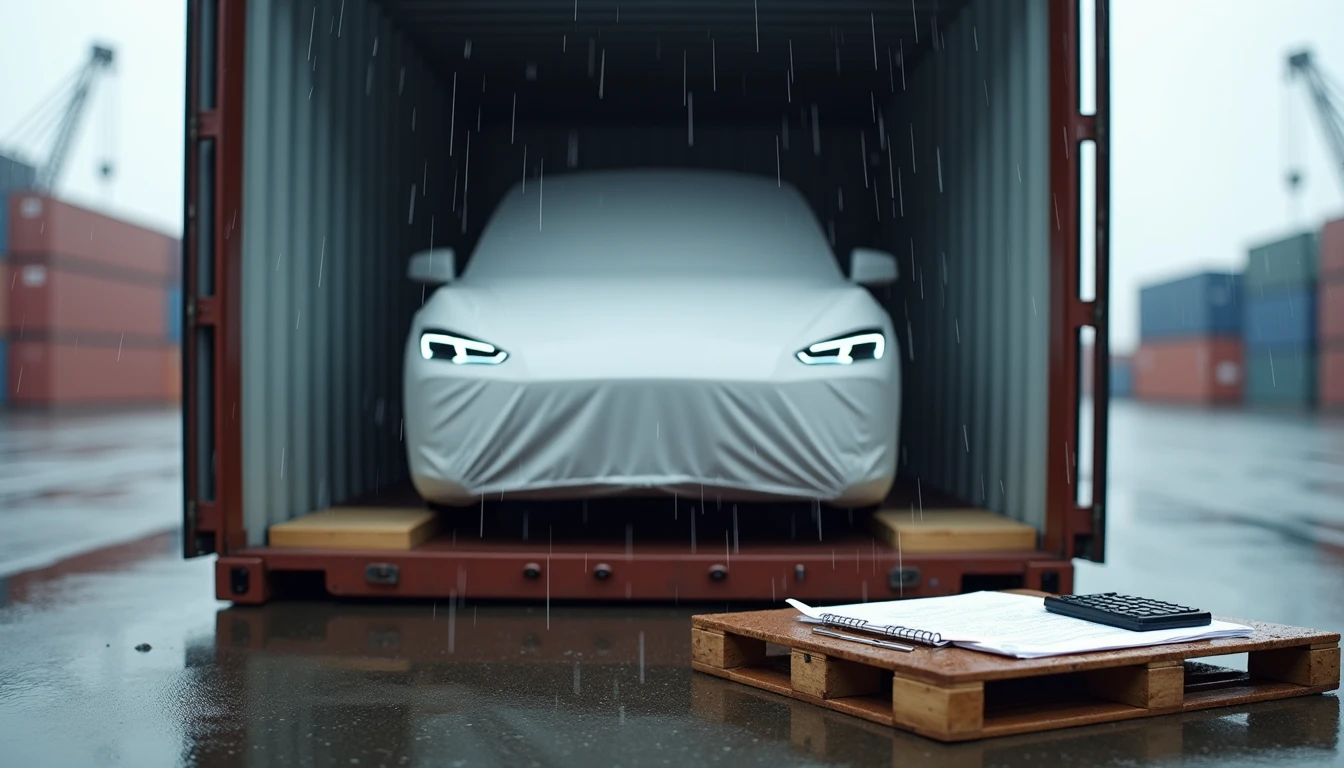
Container shipping is safer. Your car is enclosed, protected from weather and handling damage. RoRo is cheaper but involves your car being driven on and off the ship by port workers. Minor damage during loading is not uncommon.
Don't forget: Port handling fees at both ends. Customs clearance fees. Storage charges if you can't collect immediately. These add £500–£1,500 depending on circumstances.
Insurance: Marine cargo insurance is essential. It covers total loss, theft, and damage during transit. Cost is typically 0.5–1% of the vehicle's declared value. Do not skip this. Ships sink. Containers fall. Cargo gets damaged. It happens.
Step 3: Import Duties and Taxes
This is where the bill gets serious.
UK example on a £25,000 vehicle:
Charge | Rate | Amount |
|---|---|---|
Import duty | 10% | £2,500 |
VAT | 20% | £5,500 (on vehicle + duty + shipping) |
Total duties and taxes | £8,000 |
On a £30,000 vehicle, add roughly £9,500 in duties and taxes. On a £40,000 vehicle, nearly £13,000. The more expensive the car, the harder the hit.
Individual Vehicle Approval: An imported car must pass an IVA test to be registered for UK roads. This involves emissions checks, lighting compliance, speedometer conversion if necessary, and a general roadworthiness inspection. Cost: £200–£600. Time: weeks to months depending on test centre availability.
Modifications typically required:
Rear fog light conversion to UK specification
Headlight adjustment for right-hand drive roads
Speedometer in miles per hour or dual display
Type approval for tyres, glass, and seatbelts if they don't carry EU/UK markings
Some of these modifications are simple. Others require specialist work. Budget £500–£2,000 for compliance modifications.
Step 4: The Warranty Problem
This is the biggest hidden cost. And it's not really hidden — it's just devastating.
Your Chinese-market EV has no manufacturer warranty outside China. Read that again.
BYD UK will not honour a warranty on a Chinese-market vehicle imported privately. Neither will MG, NIO, XPeng, or any other Chinese manufacturer. The export models sold through official channels are warrantied. Grey imports are not.
If your imported EV develops a fault — and EVs do develop faults — you're paying for repairs yourself. A battery module failure could cost £5,000–£15,000. A drive unit replacement could run £4,000–£8,000. Software issues may be unfixable without dealer access to manufacturer diagnostic systems.
Third-party warranties exist but are expensive and often have significant exclusions. Expect to pay £800–£1,500 per year for comprehensive coverage. Read the small print carefully. Many third-party warranties exclude EVs entirely or cap battery-related claims.
One owner I spoke to imported a Zeekr 001 in 2025. The car developed a charging system fault after four months. The local EV specialist couldn't diagnose it — the software was locked to Zeekr's proprietary tools. The car sat unusable for six weeks while they tried to source diagnostic access from China. Total repair cost: £3,200. Total stress: incalculable.
Step 5: Insurance and Ongoing Costs
Insuring a grey import is harder and more expensive than insuring an officially imported car.
Expect: Premiums 30–50% higher than an equivalent UK-market EV. Fewer insurers willing to quote. Higher excess requirements. Stricter security requirements — many insurers will insist on a tracker.
Servicing: Main dealers for the brand in your country will often refuse to service grey imports. Independent EV specialists can handle routine maintenance, but anything requiring manufacturer diagnostic tools becomes problematic. Brake fluid changes and cabin filter replacements are fine. Software updates and fault diagnosis may not be.
Parts availability: Body panels, windscreens, and model-specific components must be sourced from China. Lead times are long. Costs are unpredictable. A cracked windscreen that would take a week and cost £400 on a UK-market car could take two months and cost £1,200 on a grey import.
The Total Cost Reality
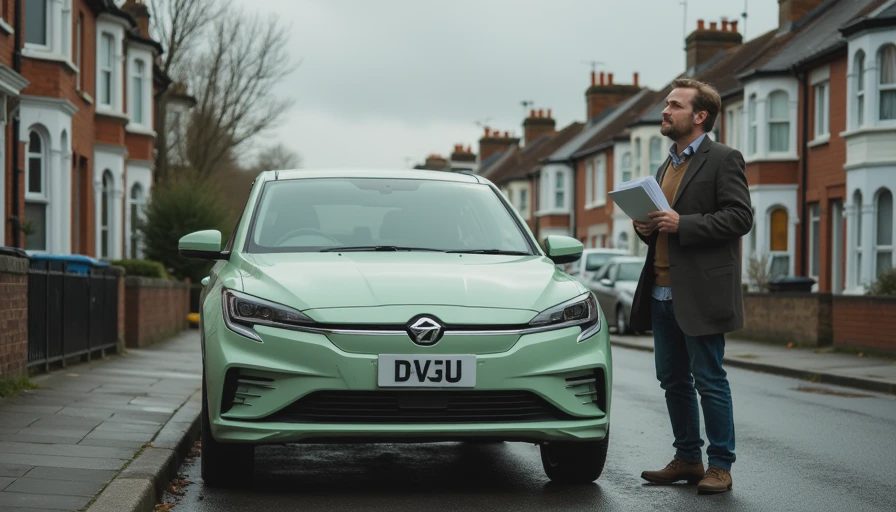
Let's work through a real example. You want a BYD Seagull — an appealing small EV that isn't officially sold in the UK. Chinese domestic price is approximately £12,000.
Item | Cost |
|---|---|
Vehicle purchase | £12,000 |
Export agent fees | £2,000 |
Container shipping | £3,000 |
Marine insurance | £200 |
Import duty (10%) | £1,700 |
VAT (20%) | £3,780 |
Port and customs fees | £800 |
IVA test | £400 |
Compliance modifications | £1,200 |
UK registration | £55 |
Total landed cost | £25,135 |
That £12,000 car now costs over £25,000 — more than double the Chinese purchase price. For context, you could buy a brand-new MG4 with a full UK warranty for £26,995.
The maths gets worse with cheaper cars because fixed costs like shipping and compliance don't scale down proportionally. The import premium as a percentage of vehicle value shrinks on more expensive cars, but the absolute cost remains significant.
When Importing Might Actually Make Sense
Despite everything above, importing does make sense in specific circumstances.
You want a vehicle genuinely unavailable otherwise. Some Chinese EVs — the Li Auto L9, the BYD Yangwang U8, certain Zeekr models — have unique capabilities not offered by any officially imported vehicle. If the car does something nothing else can do for you, the premium may be worth it.
You're a collector or enthusiast. Importing a car for emotional rather than rational reasons is valid. Just acknowledge that's what you're doing and budget accordingly.
You're importing to a country with no Chinese EV presence at all. In some markets without any official Chinese EV sales, importing may be the only way to access these vehicles. The comparative value equation changes when there's no local alternative.
You have specialist knowledge or connections. If you speak Mandarin, have trusted contacts in China, understand the import process thoroughly, and can handle logistics without an agent, you can reduce costs significantly.
The Simple Recommendation
For 95% of buyers, importing a Chinese EV yourself is not worth it. The cost premium over an officially imported equivalent — if one exists — is substantial. The warranty void alone is a dealbreaker for most. The compliance headaches, insurance difficulties, and ongoing parts and servicing challenges make ownership stressful in ways that a warranty-backed car never is.
If you're tempted: Do the full cost calculation including duties, taxes, shipping, compliance, and modifications. Then add 20% contingency for what you haven't thought of. Then look at the total. Then look at what that money buys from an official dealer with a full warranty.
For most people, the answer will be clear. Wait for the official import. The car you want is probably coming. Chinese manufacturers are expanding globally at remarkable speed. The model you're desperate to import today may be in your local showroom in 18 months — with a warranty, software in your language, and a service centre you can drive to in under an hour.
Patience is cheaper than importing. Almost always.