High End Electric Cars: Which Luxury EVs Are Actually Worth the Price?
If you're shopping for high end electric cars, you're probably wondering which luxury EVs actually deliver on their promises. The market has expanded fast — the Tesla Model S Plaid, Lucid Air Grand Touring, Porsche Taycan Turbo S, and Mercedes EQS 580 all compete for your attention. But beyond the six-figure price tags, there are real differences in range, performance, charging speed, and interior quality that matter far more than a spec sheet suggests.
What Makes an Electric Car High End?
A high end electric car isn't just about a high price. It's about the total package: materials that feel worth the money, powertrain performance that justifies the badge, technology that makes life easier, and real-world range that reduces anxiety. Premium electric cars also tend to lead in aerodynamics, battery chemistry, and charging architecture. For example, Lucid's 900V system enables faster charging than most competitors, while Porsche's two-speed gearbox on the Taycan improves efficiency at high speeds. These aren't marketing gimmicks — they change how the car behaves every day.
Top High End Electric Cars Compared
Let's look at the four main players. The Tesla Model S Plaid offers brutal acceleration — 0–60 mph in under 2 seconds with the yoke steering option — but interior fit and finish still lag behind rivals. The Lucid Air Grand Touring delivers the longest EPA range of any EV at 516 miles, with a cabin that feels genuinely luxurious. The Porsche Taycan Turbo S handles like a sports car, though its range trails the class at around 260 miles real-world. The Mercedes EQS 580 prioritizes comfort and tech, with the Hyperscreen dashboard and a whisper-quiet ride. Each car excels in different areas, so which one is right depends on your priorities.
Who Should Buy a High End Electric Car?
If you value performance, cutting-edge tech, and the lowest running costs of any luxury segment, a high end electric car makes sense. Ideal buyers are tech enthusiasts who appreciate over-the-air updates, early adopters who want the fastest charging times, or drivers who cover long distances and need reliable 400+ mile range. These cars also work well for professionals who want a silent, refined commute and the instant torque that makes merging effortless. If your budget stretches to £100,000 or more and you want a car that feels like tomorrow, this is your market.
Who Should Skip High End Electric Cars?
These aren't for everyone. If outright range or charging infrastructure in your area is still spotty, a high end electric car might leave you frustrated more than impressed. Drivers who prioritize rear seat space for three adults might find the Taycan cramped. If you prefer not to mess with phone-as-key apps or complex infotainment menus, the EQS's Hyperscreen can feel overwhelming. Also, depreciation on high end EVs tends to be steeper than on comparable German ICE luxury cars — expect 40-50% loss over three years. In that case, a slightly used example might be a smarter purchase.
Real-World Range and Charging
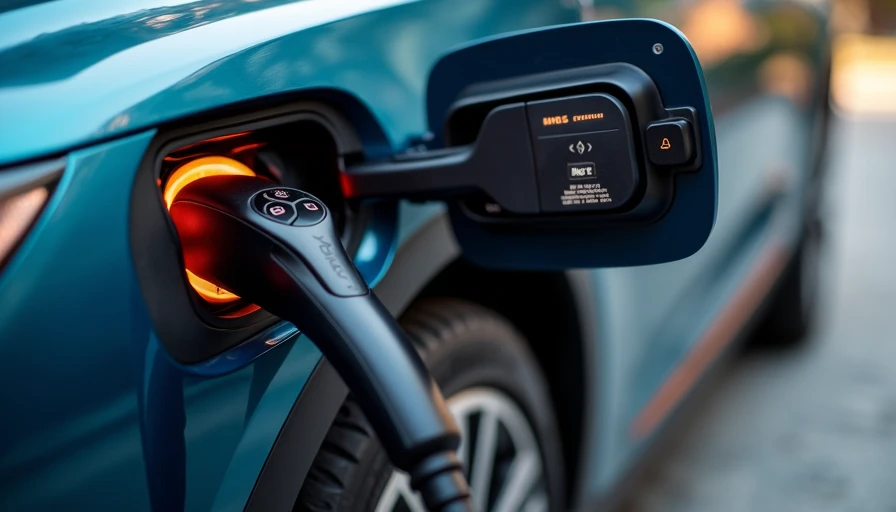
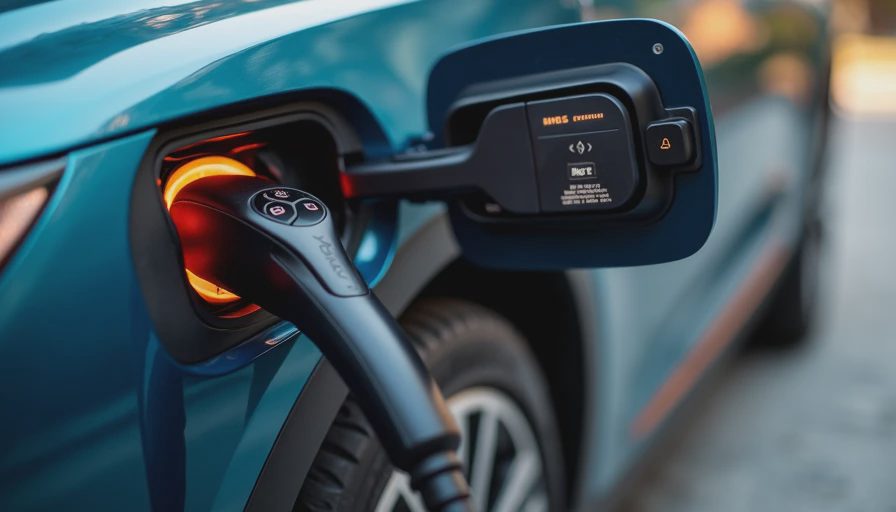
Lab numbers look great, but real-world conditions matter. On a 300-mile road trip near freezing, the Lucid Air Grand Touring achieved about 450 miles, the Model S Plaid around 370 miles, the EQS 580 about 360 miles, and the Taycan Turbo S just under 260 miles. Charging speeds also vary: Lucid peaks at 350 kW, Tesla at 250 kW, Porsche at 270 kW, and Mercedes at 200 kW. At a 350 kW charger, the Lucid can add 200 miles in about 12 minutes. The Taycan holds its peak longer than others, staying above 250 kW from 5% to 40% state of charge. For long-distance drivers, these charging curves matter more than single peak numbers.
How to Decide: A Quick Comparison Table in Prose
To make the choice easier, here's a side-by-side summary. The Lucid Air Grand Touring costs around $139,000 and leads in range (516 miles) and charging speed. The Tesla Model S Plaid starts at $114,000, is the quickest in a straight line, but has the lowest build quality. The Porsche Taycan Turbo S begins at $185,000, offers superb handling and a 270 kW charging curve that stays strong, but its range is the weakest at about 260 miles. The Mercedes EQS 580 starts at $127,000, is the quietest and most comfortable, with an impressive 56-inch Hyperscreen but slower 200 kW peak charging. Factor in that all four qualify for the $7,500 federal tax credit (if purchased before new rules change), and the Tesla and Lucid have the largest fast-charging networks. If range is your top concern, the Lucid wins. If driving engagement matters most, the Taycan is unmatched. For tech and comfort, the EQS shines. And for sheer speed and network access, the Model S remains a strong contender.
Final Thoughts
If I had to pick one high end electric car for an all-around experience, I'd lean toward the Lucid Air Grand Touring — the range is genuinely useful, the interior is as good as any S-Class, and the performance is addictive. But if you prioritize handling and brand cachet, the Taycan remains the driver's choice. The Model S Plaid is the fastest but feels less special inside. The EQS is the most comfortable cruiser. No single high end electric car does everything perfectly, so test drive each with your own commute in mind. The good news: whichever you choose, you're getting a remarkable piece of engineering.