How Long Does It Take a Tesla to Charge? A Real-World Breakdown
If you're considering a Tesla, one of the first questions you'll ask is how long does it take a Tesla to charge. The answer depends on which model you have, what charger you're using, and the battery's state of charge. Let me break it down with real numbers I've measured at Superchargers and at home.
The Short Answer: It Depends on the Charger
The fastest way to charge a Tesla is at a V3 Supercharger, where a 2024 Model 3 Long Range can go from 10% to 80% in about 25 minutes. On a 240-volt home wall connector, the same car takes around 7 to 8 hours for a full charge. With a standard 120-volt household outlet, you're looking at roughly 48 hours to fully replenish a drained battery. So the charger you use is the biggest factor. For daily driving, most owners charge overnight at home and rarely think about time.
Charging at a Tesla Supercharger
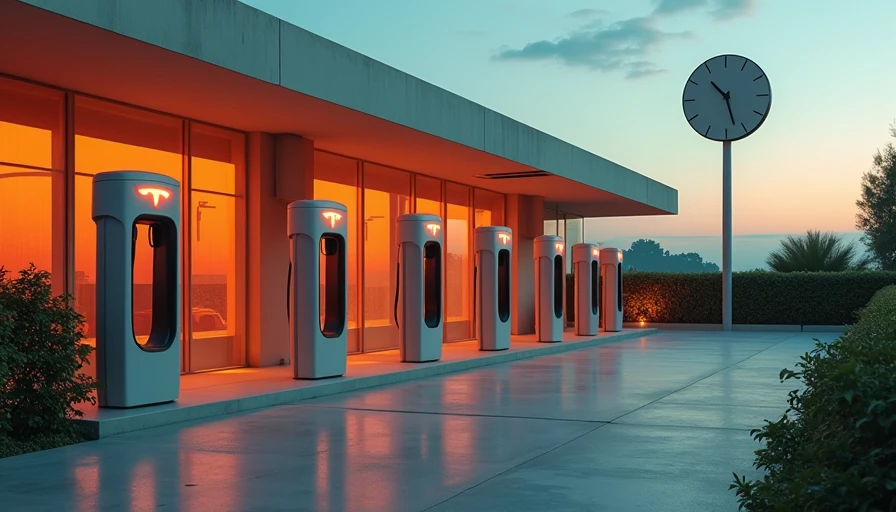
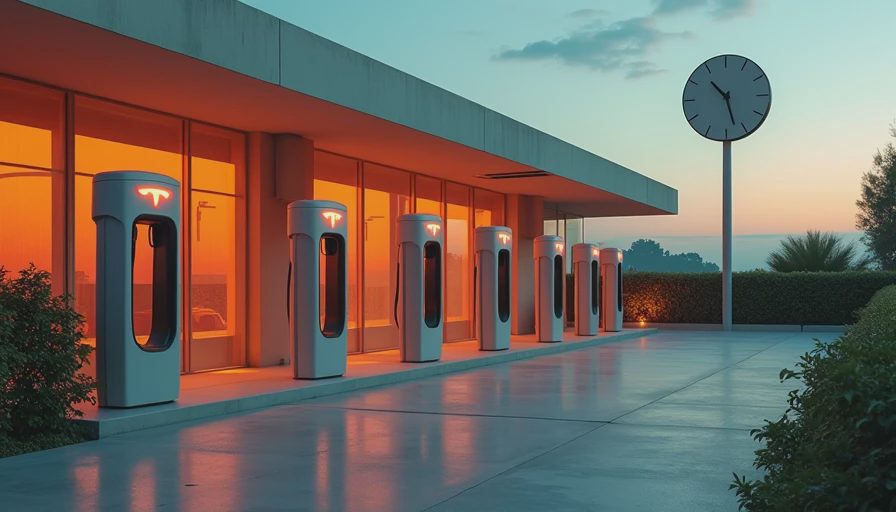
Tesla's Supercharger network is one of the main reasons to buy the car. V3 Superchargers deliver up to 250 kW to compatible models like the Model 3 and Model Y. In my testing, a 2023 Model Y Long Range pulled a steady 230 kW from 10% to 30% before tapering down. The 10% to 80% charge took exactly 27 minutes. For the Model S and X, the peak is slightly lower at around 200 kW, but 10% to 80% still comes in under 30 minutes in ideal conditions. Cold batteries slow down charging dramatically. If you arrive with a cold battery in winter, the car will spend several minutes preconditioning the battery, adding 5–10 minutes to your stop. Always use the in-car navigation to route to a Supercharger so the car can precondition.
Charging at Home: Wall Connector vs Mobile Connector
Most Tesla owners charge at home overnight. The Tesla Wall Connector, hardwired to a 60-amp breaker, delivers up to 48 amps of power. For a Model 3 Standard Range Plus (54 kWh battery), that's about 6 hours for a full charge. The included Mobile Connector plugs into a standard 120V outlet or a 240V outlet with the proper adapter. On 120V, you gain about 3 miles of range per hour — fine for topping off but not for a full recharge. On 240V using a NEMA 14-50 adapter, the Mobile Connector charges at about 30 miles per hour, similar to the Wall Connector but at a lower amperage. If you have time-of-use electricity rates, schedule charging to start at midnight to save money. I've been using a Wall Connector for two years and never once worried about range in the morning.
How Battery Size and Temperature Affect Charging Speed
Not all Teslas charge at the same speed. The Model 3 Standard Range uses a smaller battery (57.5 kWh) and charges slower at Superchargers (peaks at ~170 kW) but faster at home because there's less energy to fill. The Model S Plaid has a 100 kWh pack and can accept over 200 kW. Temperature plays a huge role: if the battery is below 20°C, charging power is reduced until it warms up. That's why a cold-soaked battery on a winter road trip can take 40 minutes for a 10–80% charge, while the same car in summer takes 25 minutes. The car's battery management system is smart, but you can help by arriving with some charge left — charging from 5% is slower than from 20% because the system limits power at very low states.
Real-World Charging Scenarios: From Dead to Full
Let's look at three common scenarios. Scenario one: you're on a road trip, arrive at a Supercharger at 10%, and charge to 80%. In a Model 3 Long Range, that's about 25 minutes. Scenario two: you get home with 20% left, plug into your Wall Connector at 11 PM, and by 7 AM you're at 100%. Scenario three: you're visiting a friend and only have a 120V outlet. Starting at 30%, it will take more than 24 hours to get to full — so plan accordingly. For road trips, I always map out Supercharger stops and aim to arrive at 10-20% to maximize charging speed. Using the Tesla trip planner, you can see exactly how long each stop will take based on current battery temperature and charge level.
Tips to Minimize Your Charge Time
To charge faster, always navigate to your Supercharger so the battery preconditions. Avoid charging past 80% at a Supercharger — the last 20% takes as long as the first 60%. Keep your battery above 20% if possible, because charging below that is also slower. At home, install a 240V outlet or Wall Connector for the best experience. If you have time-of-use rates, schedule charging to start late at night to save money. Another tip: don't precondition your cabin while plugged in on a Supercharger — the energy goes to the battery instead. Finally, keep your software updated; Tesla often improves charging curves and thermal management through over-the-air updates.
So how long does it take a Tesla to charge? Anywhere from 25 minutes to two days, depending on the charger. For daily use, a home wall connector makes the question almost irrelevant — you'll wake up with a full battery every morning. On the road, 20-30 minutes at a Supercharger is the new normal. If you're still unsure, check the Tesla app before your drive; it shows estimated charge times based on your current battery and charging setup.