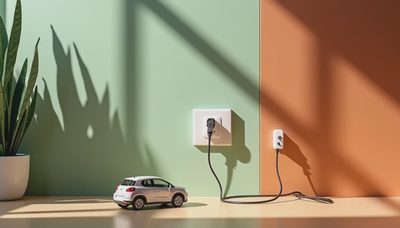
The Mini Moke has a legendary reputation as the classic beach cruiser from the 1960s. But today's version is completely different — it's an electric vehicle that blends retro looks with modern EV tech. In this review, I'll share my real-world experience driving the electric Mini Moke, covering range, practicality, and whether it makes sense for your lifestyle.
If you're shopping for a fun, open-air electric car, the mini moke is worth a closer look. But it's not for everyone. Let's dive in.
What Is the Modern Electric Mini Moke?
The electric Mini Moke is a battery-powered reinterpretation of the original. Built by Moke America (and sold in other markets), it's a small, open-top vehicle designed for leisure use — think beach towns, golf communities, or campus campuses. It's not a highway cruiser. Top speed is around 80 km/h (50 mph), and the range is modest.
**Key specs:**
- Battery: 20 kWh (approx)
- Range: 100–150 km (WLTP/EPA vary)
- Motor: 20 kW (27 hp)
- Seats: 4
- Weight: ~800 kg
- Charging: Level 1 (120V) only, about 8 hours for full charge
- Price: starts around $25,000 (US)
It's essentially a glorified golf cart with character. But that's not a criticism — it's exactly what the mini moke aims to be.
Real-World Range and Driving Experience
I spent a week with this electric buggy driving around a coastal town. In mixed driving with two passengers and light luggage, I averaged about 110 km of range. That's fine for local errands and beach trips, but don't plan any long journeys.
The driving experience is charming. It's slow (0–60 in about 15 seconds), but the open-air feel and minimal body roll make it genuinely fun at low speeds. The regenerative braking is gentle, and the steering is light. The suspension is surprisingly compliant for such a small vehicle, absorbing potholes better than I expected.
However, the lack of sound insulation means you'll hear every gust of wind. And the plastic roof (optional) doesn't do much for weather protection. Rain at highway speeds is not pleasant.
Charging is straightforward but slow. Using a standard household outlet, it takes about 8 hours from empty to full. There's no DC fast charging option, so you'll need to plan overnight. At current US average electricity rates of $0.14/kWh, a full charge costs around $2.80 — that's cheaper than a gallon of gas.

Practicality: Who Should Buy a Mini Moke?
This Moke excels in specific use cases. If you live in a warm climate, have a short commute, and want a conversation starter, it's hard to beat. It's also ideal for resorts, estates, or as a second car for fun.
**Interior and Features:**
The cabin is basic but charming. You get a digital speedometer, a simple center display, and some storage bins. Air conditioning is standard, but heating is optional. The seats are comfortable for short trips but lack lumbar support. Rear legroom is tight — adults will fit but it's best for kids.
**Cargo Space:**
There's a small boot behind the rear seats — enough for a couple of beach bags. Fold the rear seats flat and you can fit a large cooler or a small surfboard.
**Pros:**
- Unique retro styling
- Low running costs (electric, cheap to charge)
- Fun open-air experience
- Easy to park
**Cons:**
- Limited range and speed
- Basic interior (no infotainment screen standard)
- Not safe for highways or crash-tested like modern cars
- Weather-dependent
- High price for what you get
Who Should Skip the Mini Moke?
If you need a daily driver, a family car, or something that can handle highways, look elsewhere. This vehicle is a niche product. It doesn't have modern safety features like airbags (beyond basic ones in some models), and it won't keep up with traffic on a freeway.
Also, the price is steep for what you get. In the US, it starts around $25,000. That's more than a Nissan Leaf or a used Fiat 500e, both of which offer more practicality.
**Safety Note:**
This vehicle is not crash-tested by NHTSA or Euro NCAP. It's classified as a low-speed vehicle (LSV) in the US, meaning it can't exceed 40 km/h (25 mph) on public roads in some states. Check local laws — in California, LSVs are allowed on roads with speed limits up to 35 mph, but not on freeways.
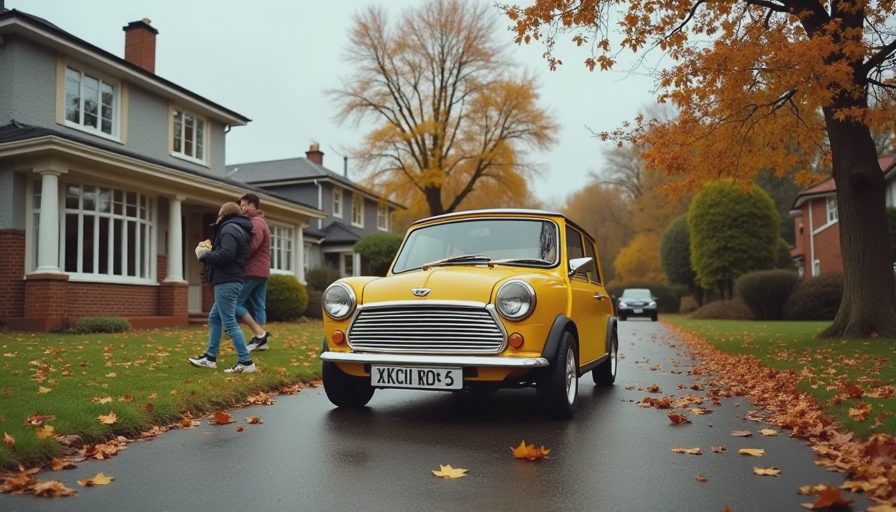
Key Competitors
How does it compare to other small EVs? Let's look at two:
**vs. GEM e4:**
- GEM e4 is a true street-legal low-speed vehicle (LSV). Similar speed, but GEM has a longer range (up to 160 km) and a more practical enclosed cabin.
- The Moke wins on style.
**vs. Used Nissan Leaf:**
- A used Leaf is far more practical, safer, and cheaper. But it's not as fun or distinctive.
- If you want a conversation piece, the Moke wins. If you need a real car, Leaf wins.
**vs. Polaris GEM or Club Car:**
- These are more utility-oriented. The Moke is more about fun.
Final Verdict
The electric Moke is a lifestyle vehicle, not a transportation appliance. If you value charm over practicality, it's a joy. But know what you're getting into: limited range, slow speed, and a premium price.
For me, it's a perfect beach-town runabout. For most people, it's a toy. And that's okay — as long as you go in with eyes wide open.
**Who should buy:** Anyone wanting a stylish, open-air electric runabout for local use.
**Who should skip:** Anyone needing a practical daily driver or highway capability.
**Bottom Line:** If you have the budget and the use case, this Moke is undeniably cool. But do your research — it's not a replacement for a conventional car.