Disclosure: All systems were tested in UK-market vehicles during extended press loans between January and May 2026. Testing included daily commuting, long-distance navigation, and deliberate stress-testing of voice commands. All systems were running the latest available software versions at time of testing.
Why Infotainment Matters
The infotainment screen is the most used interior feature in any modern car. You touch it dozens of times a day. You rely on it for navigation, music, climate control, and phone calls. A good system fades into the background. A bad one irritates you every single journey.
Chinese EV brands know this. They've invested heavily in screens, software, and user experience. But they've taken very different approaches — and the gap between the best and the rest is significant.
We tested all four for a week each. Here's how they compare.
The Contenders
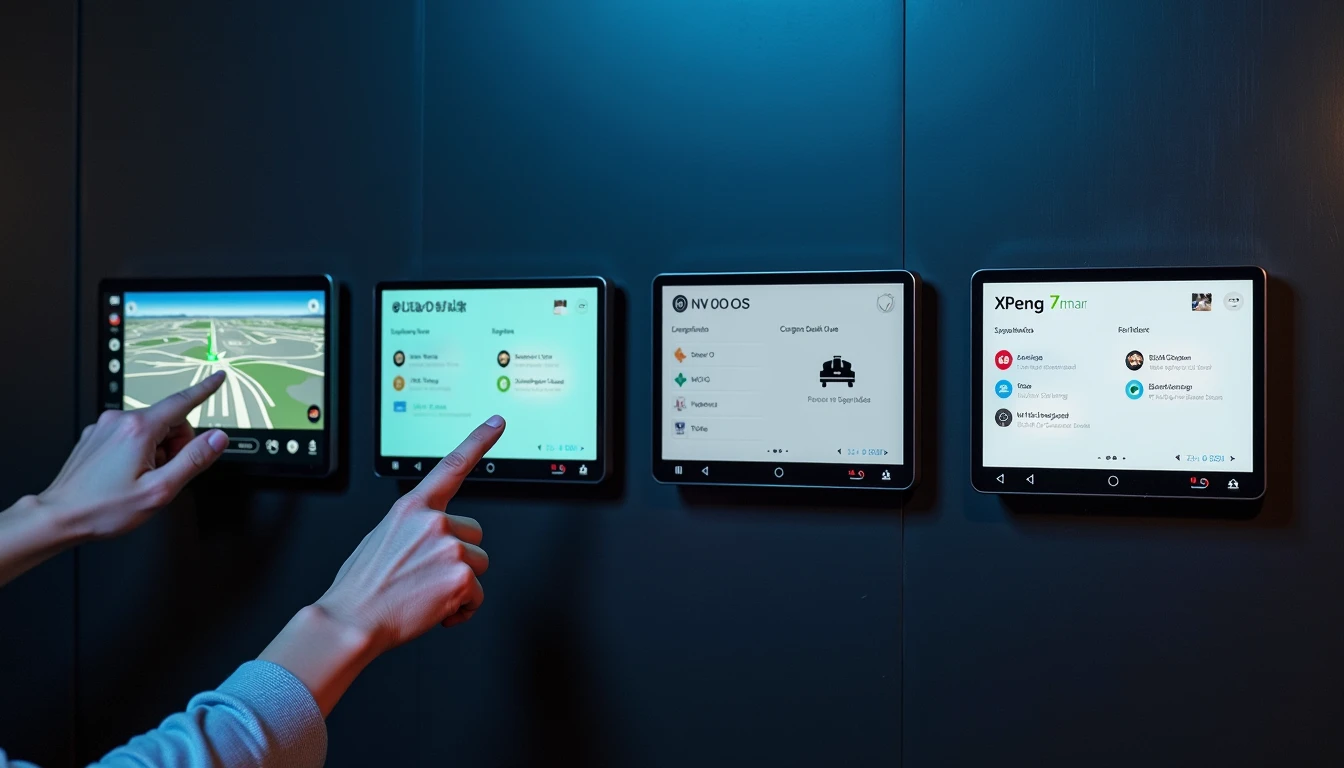
Brand | System Name | Screen Size | Key Feature |
|---|---|---|---|
BYD | DiLink 4.0 | 12.8–15.6-inch rotating | Physical rotation |
MG | iSmart | 10.25-inch fixed | Simple, no-nonsense |
NIO | NIO OS | 12.8-inch AMOLED + NOMI | AI assistant with face |
XPeng | Xmart OS | 14.96-inch fixed | Voice-first design |
Round 1: Screen Quality and Hardware
BYD DiLink: The rotating screen is a genuine differentiator. Landscape for navigation and video, portrait for menus and scrolling — the physical rotation isn't just a gimmick, it meaningfully improves usability in different contexts. The panel itself is sharp, bright, and responsive to touch. Colours are accurate. Glare is well-controlled. This is excellent hardware.
NIO NIO OS: The 12.8-inch AMOLED display is gorgeous. Deep blacks, vibrant colours, excellent contrast. It's the best-looking screen in any car at this price point. Resolution is crisp. Touch response is immediate. The AMOLED panel makes a noticeable difference when watching video while charging.
XPeng Xmart OS: A large 14.96-inch landscape display with a matte anti-glare coating. Resolution is excellent. Touch response is fast. The matte finish reduces fingerprints and reflections better than any competitor. It's not as visually stunning as the NIO AMOLED but it's more practical in bright sunlight.
MG iSmart: The 10.25-inch screen is noticeably smaller and lower-resolution than the competition. It's perfectly adequate — readable, responsive enough, functional — but it feels a generation behind. Side by side with any of the others, the MG's screen looks like it belongs in an older car.
Winner: NIO — AMOLED quality is a genuine step above. BYD and XPeng tie for second. MG trails.
Round 2: User Interface and Ease of Use
XPeng Xmart OS: The best interface here by a meaningful margin. Menu structures are logical. Frequently used functions are accessible within one or two taps. The layout is clean and uncluttered. It feels designed by people who understand how drivers actually use infotainment systems — not by engineers ticking feature boxes. The learning curve is minimal.
NIO NIO OS: Elegant and polished, but slightly more complex than XPeng's system. The interface looks premium — clean typography, smooth animations, thoughtful colour palettes. Some functions require more taps than they should. The overall experience is very good once you learn it, but there's a learning curve.
MG iSmart: Basic but intuitive. The limited feature set means there's less to navigate. Menus are straightforward. Icons are clear. It's not sophisticated, but it's hard to get lost. For non-technical users, this simplicity is a genuine advantage.
BYD DiLink: The weakest interface of the group. Menus are inconsistently organised. Some settings are buried deep in submenus with non-obvious labels. Translation quirks persist — some menu items use terminology that doesn't match what English speakers expect. The system is powerful — there are more features and customisation options than any competitor — but accessing them often requires too many taps and too much hunting.
Winner: XPeng — the most intuitive and driver-focused interface. NIO is close behind.
Round 3: Smartphone Integration
BYD DiLink: Wireless Apple CarPlay and Android Auto are standard and connect quickly — typically within 15 seconds of starting the car. The connection is stable. The rotating screen works well with CarPlay in landscape mode. This is significant because it lets you bypass BYD's native interface entirely for navigation, music, and calls.
NIO NIO OS: Wireless CarPlay and Android Auto are supported and work well. NIO's native system is good enough that you might not bother — the built-in navigation with charging route planning is genuinely competent.
XPeng Xmart OS: Wireless smartphone mirroring is supported and performs reliably. Like NIO, the native system is strong enough that CarPlay feels optional rather than essential.
MG iSmart: Wired Apple CarPlay and Android Auto only — no wireless option. The connection is reliable once plugged in. Given the MG's basic native interface, you'll want to use CarPlay or Android Auto for most functions. The lack of wireless connectivity is an annoyance in a 2026 vehicle.
Winner: BYD and NIO tie — wireless with large, bright screens. MG's wired-only connection is disappointing.
Round 4: Voice Control
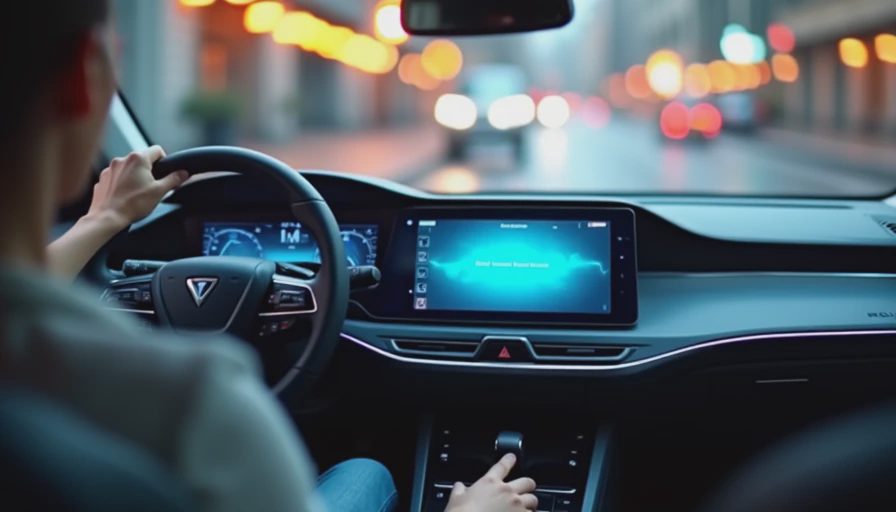
XPeng Xmart OS: Best in class. The voice assistant understands natural language, processes commands quickly, and controls nearly every vehicle function — navigation, climate, audio, windows, ambient lighting. You can say "I'm cold" and it raises the temperature. You can say "find a charger near the destination" mid-navigation and it adjusts your route. It works consistently and responds in under two seconds.
NIO NOMI: The little spherical assistant on the dashboard rotates to face whoever is speaking — a charming touch that makes the system feel personable. Voice recognition is good but not quite as comprehensive as XPeng's. NOMI handles navigation and media well but struggles with more complex or conversational requests. The physical presence of NOMI makes the car feel more alive.
BYD DiLink: The voice assistant exists. It sometimes works. It frequently misinterprets commands, especially with regional British accents. The button on the steering wheel cannot be remapped and is easily pressed accidentally, summoning a confused Chinese-language assistant. This is the weakest element of BYD's system by far.
MG iSmart: Basic voice control handles simple commands — "navigate to home," "call contact name" — but little else. It's functional for the basics and doesn't attempt anything ambitious. Low expectations mean fewer disappointments.
Winner: XPeng — genuinely useful voice control that changes how you interact with the car. NIO is charming but less capable. BYD needs significant work.
Round 5: Navigation and EV Features
NIO NIO OS: Excellent native navigation with real-time charging route planning. The system factors in elevation, weather, and your driving style to predict range accurately. Charger availability and speed are displayed clearly. It's competitive with Tesla's navigation — high praise.
XPeng Xmart OS: Similarly strong route planning with accurate range prediction and charger integration. The interface for selecting charging stops is clean and informative. Slightly behind NIO in prediction accuracy but well ahead of BYD and MG.
BYD DiLink: The native navigation is functional but not confidence-inspiring. Range predictions are conservative. Charging stop suggestions are sometimes suboptimal — directing you to a 50 kW charger when a 150 kW unit is available nearby. Many owners will prefer CarPlay with a third-party app like A Better Routeplanner.
MG iSmart: Basic navigation with limited EV-specific features. It'll get you to your destination, but charging route planning is rudimentary. CarPlay with a third-party app is essentially required for longer journeys.
Winner: NIO — the best EV-native navigation outside of Tesla.
The Daily Experience: What It's Actually Like to Live With
BYD DiLink: You'll use CarPlay for almost everything and learn to tolerate the native system for settings that can't be accessed otherwise. The rotating screen remains a delight. The voice assistant will frustrate you regularly. The system has improved noticeably via OTA updates — two updates in six months fixed real bugs. BYD is actively developing this software, and it shows.
NIO NIO OS: You'll use a mix of native and CarPlay functions depending on the task. NOMI will grow on you. The AMOLED screen will make every other car screen look slightly disappointing. The system feels premium and well-maintained.
XPeng Xmart OS: You'll stop using CarPlay entirely within a week. The native system is that good. Voice control will change your habits — you'll find yourself speaking commands rather than tapping through menus. This is the system that most closely delivers on the promise of a truly intelligent car.
MG iSmart: You'll plug in your phone before every drive and never interact with the native system beyond essential settings. It works. It doesn't delight. It doesn't frustrate. It just exists, quietly adequate, waiting for you to connect CarPlay.
Final Ranking
Rank | Brand | Strengths | Weaknesses |
|---|---|---|---|
1 | XPeng Xmart OS | Intuitive UI, excellent voice control, matte screen | Limited vehicle lineup currently |
2 | NIO NIO OS | Premium AMOLED display, charming NOMI, great nav | Learning curve, complex menus |
3 | BYD DiLink | Rotating screen hardware, wireless CarPlay, improving | Poor voice control, cluttered UI |
4 | MG iSmart | Simple and reliable, hard to confuse | Wired-only CarPlay, small screen, basic |
The Simple Recommendation
If infotainment quality is a deciding factor in your EV purchase — and for many buyers, it should be — XPeng and NIO are the leaders. XPeng's Xmart OS is the most intuitive and voice-capable system this side of Tesla. NIO's NIO OS is the most premium-feeling, with NOMI adding personality that no other system matches.
BYD's DiLink has the best hardware trick — the rotating screen — but the weakest software. It's saved by wireless CarPlay. If you're happy living in Apple or Google's ecosystem, it's perfectly fine. If you want a great native experience, it's not there yet.
MG's iSmart is the most basic system here, but it's also the hardest to genuinely dislike. It's simple, it works, and CarPlay fills the gaps. For buyers who find complex technology intimidating, MG's approachability is a quiet strength.
The Chinese brand that cracks infotainment first — truly Tesla-level software with genuine polish and regular meaningful updates — will have a significant competitive advantage. XPeng is closest. NIO is chasing hard. BYD has the resources to catch up quickly. MG seems content to let CarPlay carry the load.
The competition is moving fast. What's true today may not be true in six months. But right now, XPeng sets the standard.